
Cybersecurity threats are no longer a problem reserved for large corporations. Small businesses are increasingly being targeted because they often have valuable customer and financial data but fewer security resources to protect it. A single phishing email, ransomware attack, or compromised user account can disrupt your operations, damage customer trust, and even trigger legal obligations …

Cybersecurity threats are no longer a problem reserved for large corporations. Small businesses are increasingly being targeted because they often have valuable customer and financial data but fewer security resources to protect it. A single phishing email, ransomware attack, or compromised user account can disrupt your operations, damage customer trust, and even trigger legal obligations under industry regulations.
At Third-Eye Tech, we help South Florida businesses implement proactive cybersecurity, continuous monitoring, and compliance-focused IT services. These measures help identify potential threats earlier and reduce the impact of security incidents before they disrupt business operations.
Key Takeaways
- 88% of small-business breaches involved ransomware, compared with 39% at large organizations.
- 79% of SMBs faced at least one cyberattack in the past five years.
- Small businesses receive the highest rate of malicious email of any size category, about 1 in 323 emails.
- 75% of SMB owners rank cyberattacks as their #1 operational threat heading into 2026.
Why Small Businesses Are the Target
Small businesses sit at the intersection of two uncomfortable realities: they hold valuable, sensitive data, and they are less defended than larger organizations. 43% of cyberattacks target small businesses.
Cybercriminals are using artificial intelligence to automate vulnerability identification, craft convincing phishing schemes in real time, and run AI-driven threats that adapt to bypass traditional security measures.
These are no longer blunt attacks. They are efficient, scalable, and designed to gain access before anyone notices.
Once an attack succeeds, the consequences can escalate quickly.
A single cyberattack can disrupt business operations or leak confidential information, generating regulatory exposure, customer loss, and financial fraud all at once.
The Top Cybersecurity Threats Targeting Small Businesses
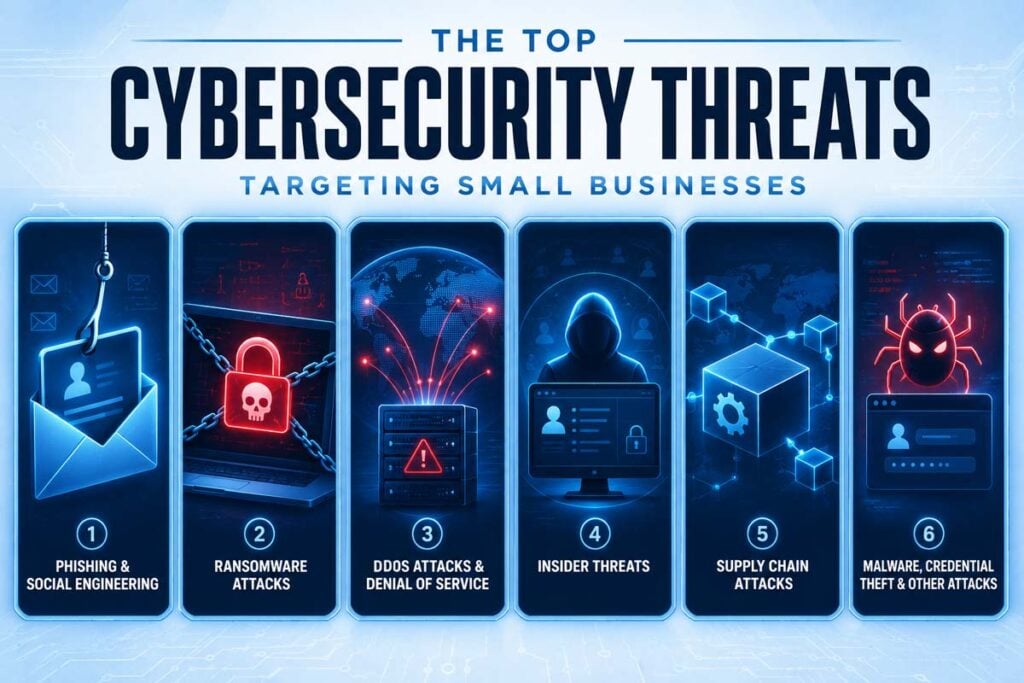
1.
Phishing Attacks and Social Engineering
Phishing attacks are the most common entry point for cybersecurity threats targeting businesses of every size. According to the Verizon 2026 Data Breach Investigations Report, 80% of blocked email attacks are plain phishing.
- Phishing attacks use email to steal sensitive information, including login credentials, financial account details, and confidential information, which employees believe they are sending to a legitimate website or trusted contact.
- Spear phishing takes this a step further by targeting specific individuals with personalized messages. These attacks often use fake accounts, fake websites, and malicious links to convince victims that the communication is legitimate.
- Phishing emails often appear to come from trusted sources, and AI can now generate them at scale with fewer grammar errors than employees were once trained to spot.
- Social engineering extends beyond email. Phone calls, text messages, callback scams, and other forms of impersonation all use the same principle: exploiting human trust rather than technical vulnerabilities.
- As AI continues to make these attacks more convincing and scalable, cybersecurity threats increasingly succeed by manipulating people instead of breaking through technology.
2.
Ransomware Attacks
Ransomware encrypts sensitive business data and can bring daily operations to a standstill until systems are restored.
- Attacks often begin with phishing emails, malicious links, or infected files opened by an employee.
- Once inside the network, ransomware can spread quickly across computers, servers, connected devices, and shared files before it is detected.
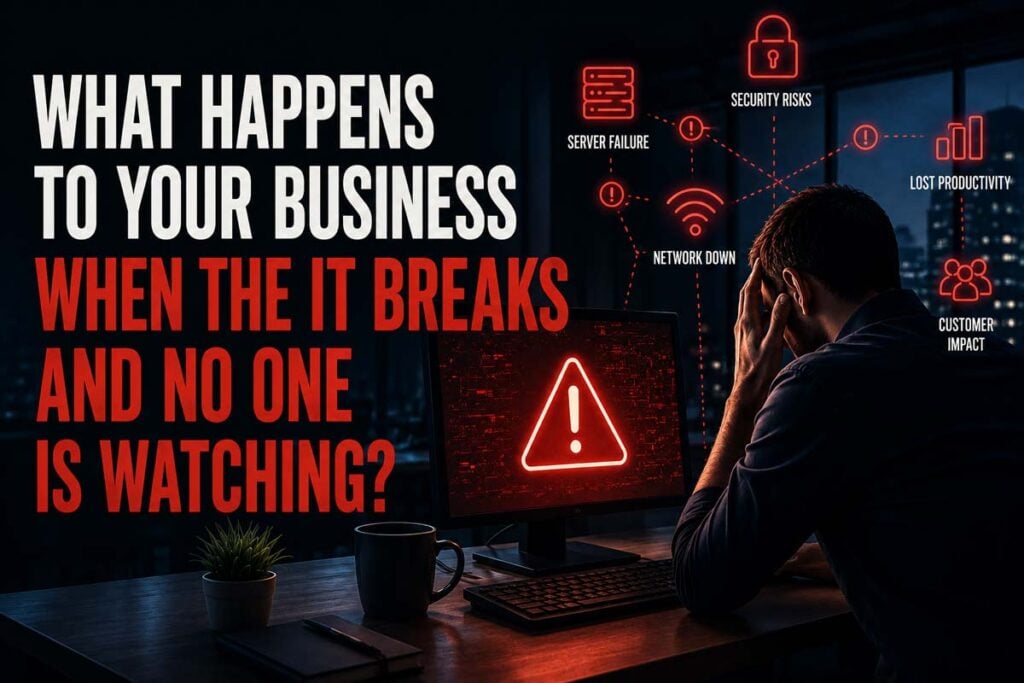
- For a small business, the impact may include lost revenue, missed customer requests, recovery costs, reputational damage, and days or weeks of disruption.
- Ransomware payments exceeded $2.1 billion between 2022 and 2024, and there were 1,512 reported ransomware incidents in 2023.
3.
DDoS Attacks and Denial of Service
Distributed denial-of-service (DDoS) attacks overwhelm a company’s network or server with traffic from multiple systems at the same time, preventing customers and employees from accessing websites, applications, or online services. Because the traffic comes from many different locations, these attacks are often harder to identify and block than traditional denial-of-service attacks.
For small and medium-sized businesses, even a short disruption can have serious consequences. Downtime may lead to lost sales, missed customer inquiries, reduced productivity, and damage to the company’s reputation. Smaller businesses may also have limited IT resources, which can make it more difficult to respond quickly and restore normal operations.
The scale of the threat continues to grow:
- According to Cloudflare’s Q4 2025 DDoS Threat Report, the company mitigated 47.1 million attacks in 2025.
- This is a 121% increase from 2024 and a 236% increase from 2023.
DDoS attacks can also distract IT teams while other malicious activity takes place in the background, making strong network protection and a clear incident response plan especially important for growing businesses.
4.
Insider Threats
Insider threats occur when employees, contractors, or former staff misuse access to business systems and sensitive information, either intentionally or by mistake.
- Small and medium businesses may be especially vulnerable because employees often have access to multiple systems, accounts, and shared files.
- Risks include stolen login credentials, unauthorized data sharing, accidental deletion, and misuse of financial or customer information.
- Traditional security tools may not detect insider activity because the user already has legitimate access.
- Limiting access based on job responsibilities, using multi-factor authentication, and reviewing permissions regularly can reduce the risk.
5.
Supply Chain Attacks
Supply chain attacks target trusted vendors, software providers, or service partners to gain access to another company’s systems.
- Small and medium businesses often rely heavily on third-party software, cloud platforms, payment providers, and IT vendors.
- Attackers may insert malicious code into trusted software updates or compromise a vendor account to reach connected customers.
- Each external platform or service creates another possible entry point into the business.
- Strong vendor checks, restricted third-party access, regular software updates, and intrusion detection systems can help protect the network.
6.
Malware, Credential Theft, and Other Attack Methods
Around 560,000 new malware threats are detected each day, and many are designed to avoid traditional antivirus software.
- Malware can steal login details, browser cookies, financial information, and authentication tokens without immediately disrupting systems.
- Brute-force attacks repeatedly test passwords until attackers gain access to an account.
- SQL injection attacks target weaknesses in business websites and applications, while cross-site scripting inserts malicious code into trusted web pages.
- For a small or medium business, these attacks can lead to financial fraud, data breaches, ransomware, and operational downtime.
- Strong passwords, multi-factor authentication, employee awareness training, software updates, and continuous monitoring provide important layers of protection.
Compliance Rules That Make Data Security Your Responsibility
For a small or medium-sized business, a cyberattack is more than an IT problem. Once your company collects customer, employee, patient, student, or financial information, it may be legally responsible for protecting that data, managing access, overseeing vendors, and responding quickly when a breach occurs.
Florida Information Protection Act (FIPA)
- FIPA applies to businesses that collect, store, maintain, or use Floridians’ personal information.
- Companies must use reasonable security measures and generally notify affected individuals within 30 days of discovering a breach.
- The Florida Attorney General must also be notified when 500 or more Florida residents are affected. Failure to meet the notification requirements can result in civil penalties of up to $500,000 per breach. (Source)
Third-Party Vendor Responsibilities
- Using a cloud provider, software platform, or managed service provider does not remove your company’s responsibility.
- Under FIPA, a third-party agent must notify the business it serves within 10 days of discovering a breach, but the business remains responsible for ensuring the required notifications are completed. (Source)
Federal Consumer Protection Rules
- The Federal Trade Commission can take action when a business fails to follow its own privacy promises, provides inadequate protection for sensitive information, or uses data practices that cause substantial consumer harm.
- These expectations can apply across industries, regardless of company size. (Source)
Health Care and HIPAA
- Medical practices, health care providers, and businesses handling protected health information on their behalf must follow HIPAA.
- This includes administrative, physical, and technical safeguards, as well as breach notification requirements when unsecured health information is compromised. (Source)
Financial Services and GLBA
- The Gramm-Leach-Bliley Act Safeguards Rule applies to more than banks.
- It can cover mortgage brokers, tax preparation firms, collection agencies, financial advisers, auto dealers, and other businesses involved in financial activities.
- Covered companies must maintain a written information security program, assess risks, implement safeguards, and oversee service providers. (Source)
Schools, Children, and Online Services
- FERPA protects student education records at schools receiving applicable federal funding.
- COPPA may also apply to websites, apps, and online services that collect personal information from children under 13, requiring parental consent, appropriate security, and controlled data retention. (Source)
Florida’s Digital Bill of Rights mainly applies to companies with more than $1 billion in global annual revenue that meet additional technology-related criteria, so most SMEs are not directly covered as controllers. However, a smaller company processing information for a covered organization may still have contractual and data protection responsibilities. (Source)
For SMEs, compliance begins with knowing what data the business holds, limiting access, using multi-factor authentication, monitoring third-party vendors, maintaining secure backups, training employees, and having a written incident response plan. Waiting until after a breach can lead to regulatory penalties, recovery expenses, legal claims, and lasting damage to customer trust.
How Third-Eye Tech Helps Strengthen Your Cyber Defenses
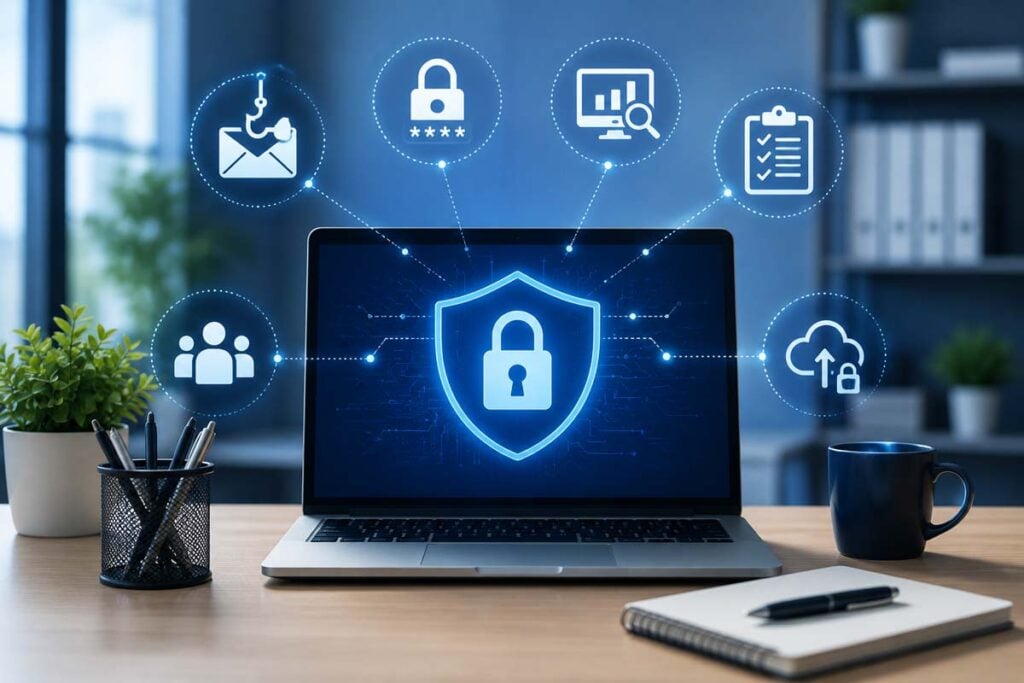
Protecting your business from evolving cyber threats requires more than installing antivirus software or responding after something goes wrong. At Third-Eye Tech, we provide a managed approach that helps small and medium-sized businesses reduce risk, protect sensitive data, and meet industry compliance requirements.
Our cybersecurity and compliance services include:
- Employee security awareness training to help staff recognize phishing emails, social engineering tactics, malicious links, and suspicious requests.
- Multi-factor authentication and access controls that limit who can reach sensitive systems, financial accounts, and confidential information.
- Continuous system monitoring to identify unusual activity, compromised accounts, malware, and other threats as early as possible.
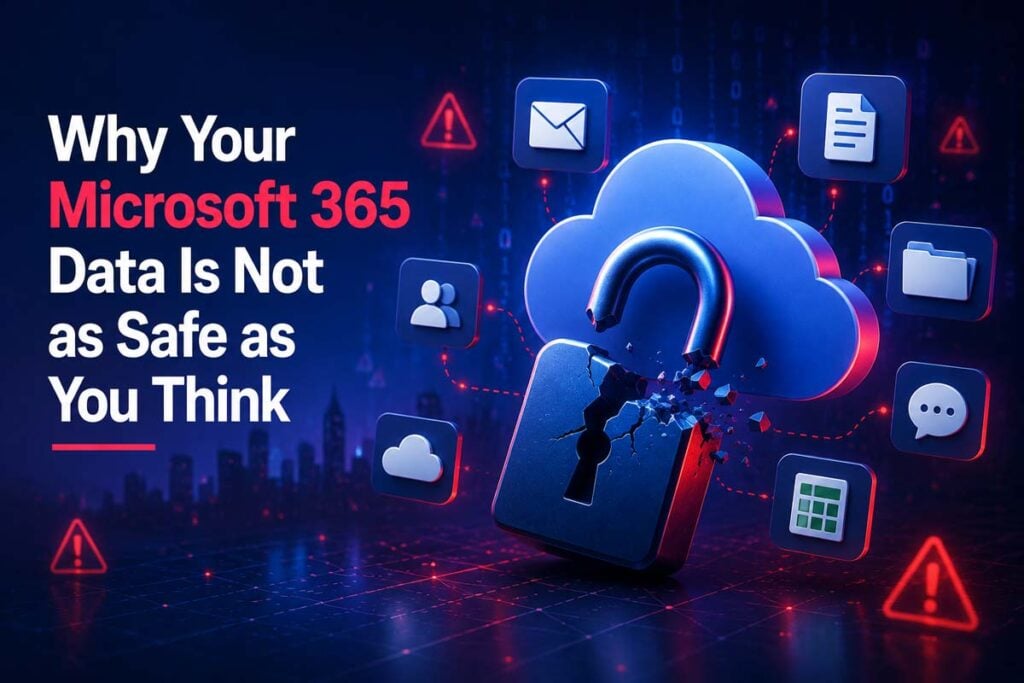
- Microsoft 365 backup, data loss prevention, and ransomware protection to safeguard emails, files, and critical business data.
- Incident response planning that helps your business contain an attack, restore operations, and meet breach notification requirements.
- Compliance support for GLBA, FINRA, the FTC Safeguards Rule, HIPAA, and other industry frameworks.
At Third-Eye Tech, Caleb and our team manage the security controls, monitoring, backups, and documentation your business needs under one predictable monthly rate. This gives you ongoing protection and practical support without the cost of building an internal cybersecurity department.
Final Thoughts
Cybersecurity is no longer just about preventing hackers from accessing your systems. Every phishing email, ransomware attack, or security vulnerability has the potential to interrupt your operations, expose sensitive information, and create compliance obligations that can be costly to manage.
The good news is that most cyber threats can be significantly reduced with the right combination of proactive monitoring, employee awareness, layered security controls, and a well-tested incident response plan. Investing in cybersecurity before an incident occurs is far less expensive than dealing with the financial, operational, and reputational consequences of a successful attack.
Schedule a free IT Checkup and find out where your cybersecurity and compliance gaps are before a threat does.
Frequently Asked Questions About Top Cybersecurity Threats
What cyber threats are most dangerous for small and medium-sized businesses?
AI-powered cyber threats are increasingly difficult to detect because they can alter a malicious program, exploit vulnerabilities, and help malicious actors launch more convincing social engineering attacks. Around 560,000 new malware threats are detected each day, and malicious software may use malicious SQL statements, XSS attacks, or compromised software components to enter computer systems. A layered security approach that combines software updates, endpoint protection, employee training, and early detection can strengthen defenses before an attack reaches critical systems.
How can a cyber attack affect a small business?
A cyber attack can encrypt sensitive data, lock employees out of a computer network, and disrupt operations until the business can regain control. Ransomware may spread across connected devices and servers, putting customer data, financial records, and intellectual property at risk while attackers demand payment for financial gain. Network segmentation, secure backups, and continuous monitoring help contain the damage and restore the victim’s data without relying on the attacker.
Why do data breaches create compliance risks for SMEs?
Data breaches can expose customer data and create legal obligations under Florida law, HIPAA, the FTC Safeguards Rule, or GLBA for financial institutions. Small businesses may also be responsible when vendors or employees with direct access mishandle information, which is why rigorous access controls, multi-factor authentication, and written incident response procedures matter. A stronger security posture helps protect sensitive records, preserve customer trust, and show that the business took reasonable steps to reduce risk.
How does a distributed denial-of-service attack affect a small business?
Distributed denial-of-service attacks flood a network server with excessive traffic from multiple computer systems, preventing legitimate users from reaching the target’s network. Because the requests come from many locations at once, these attacks are harder to block and may distract IT teams while malicious actors attempt other activity. Small businesses should monitor systems, use traffic filtering, and maintain a response plan so they can restore access quickly.
How do phishing-based cyber threats steal business information?
Spear phishing attacks, whale phishing, and other social engineering attacks try to steal data by making a message appear relevant and trustworthy to the intended recipient. AI can make these messages more convincing, while MITM attacks can intercept credentials or communications without either party realizing it. The best defense is to educate employees, verify unusual requests through a second channel, and require multi-factor authentication on sensitive accounts.
How can SMEs strengthen defenses against supply chain and insider cyber threats?
One in three organizations has recently experienced an increase in supply chain attacks, showing how quickly trusted vendors and off-the-shelf components can become a risk. Attackers may insert malicious code into software updates, compromise hardware, exploit weaknesses in an operating system, or abuse insider access to reach critical systems. Strong vendor reviews, least-privilege access, network segmentation, and regular audits help small businesses reduce exposure and strengthen defenses.

Caleb Rader
As the founder of Third-Eye Tech, I am passionate about providing small businesses with the same high-quality tech support that big organizations enjoy but at a fraction of the cost. Over the years, I have personally helped hundreds of small businesses streamline their IT operations, reduce downtime, and achieve their goals through tailored, cost-effective solutions.